
The Thrill of Risk: Understanding the Attraction
The psychology behind gambling is deeply rooted in our understanding of risk and reward. Casino games leverage this human inclination toward risk by offering a chance for significant financial gains, often presented in an exciting and immersive environment. The thrill of placing a bet can elicit a rush of adrenaline, activating the brain’s reward pathways and creating a sense of euphoria that many find irresistible. This unique combination of pleasure and anticipation is a key factor in why people are drawn to gambling activities. For those searching for excitement, the best online casino in canada can provide an engaging experience.
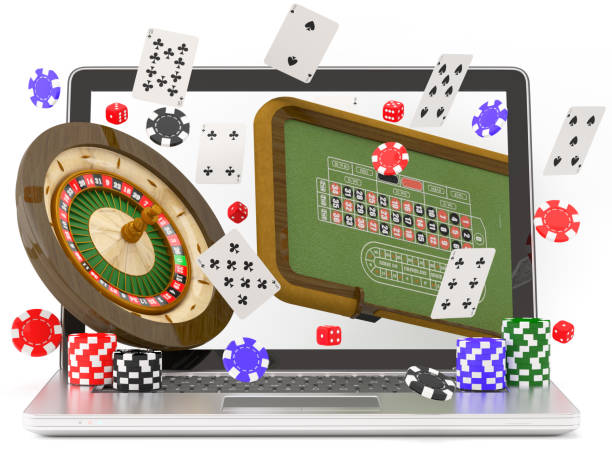
Moreover, the uncertainty associated with gambling heightens the excitement. Players experience a fluctuation of emotions as they await outcomes, which can lead to a kind of psychological investment in the game. The unpredictability of winning or losing keeps players engaged, often leading them to gamble more in hopes of recapturing that initial thrill. This phenomenon contributes significantly to the allure of casino games and highlights the complex interplay between emotions and decision-making in gambling.
The Illusion of Control
Many gamblers are influenced by the illusion of control, where they believe their skill or intuition can impact the outcome of a game, even in games of chance. This psychological effect makes certain types of gambling, such as poker or sports betting, particularly appealing. Players feel empowered when they think they can alter the odds in their favor, which reinforces their desire to continue playing. Cognitive biases, such as overconfidence, can motivate individuals to gamble more than is wise, as they often underestimate the inherent risks involved.
This notion of control can lead to a cycle of gambling behavior. As players win, the belief in their skills intensifies, encouraging further participation. However, this can also result in significant losses when the outcomes inevitably do not align with their expectations. Understanding this psychological aspect is crucial for both players and developers of casino games, as it underscores the need for responsible gambling practices.
The Social Dynamics of Gambling
Gambling is often perceived as a social activity, enhancing its appeal for many individuals. Casinos frequently create convivial environments, where social interaction and shared experiences boost enjoyment. The presence of fellow gamblers provides a sense of community, which can be especially comforting for those who may feel isolated in their everyday lives. This social dimension not only attracts individuals to casinos but also encourages them to gamble in groups, amplifying their experience.
Additionally, social influences can play a critical role in gambling behavior. Friends and family can either support or discourage gambling habits, impacting how individuals approach casino games. Understanding the social context surrounding gambling can illuminate why some individuals are more likely to engage in gaming activities, as community dynamics can significantly influence personal choices and behaviors.
Cognitive Dissonance and Gambling Addiction
Cognitive dissonance, the mental discomfort experienced when holding two conflicting beliefs, often arises in gambling scenarios. Gamblers may rationalize their continued play, despite significant losses, by focusing on past wins or promising themselves that their luck will change. This internal conflict can lead to a compulsion to gamble, even when individuals know the odds are against them. Recognizing this psychological struggle is vital in identifying and addressing gambling addiction.
The compulsion to gamble can escalate, leading to detrimental consequences for individuals and their loved ones. Educational initiatives and mental health resources are essential in helping gamblers recognize these patterns and seek help when necessary. Understanding cognitive dissonance within the context of gambling can empower individuals to make more informed decisions about their gaming habits and encourage healthier relationships with gambling.

Safe Gambling Practices and Online Security
Exploring the psychology of gambling also highlights the importance of safe gambling practices. Many online platforms now emphasize responsible gambling measures to protect users from potential addiction and financial harm. This includes features such as deposit limits, self-exclusion tools, and access to support resources. By fostering a culture of accountability, both operators and players can work together to create a safer gambling environment.
In addition, the online gambling landscape often requires heightened security measures to protect users’ personal and financial information. Understanding how these psychological factors intersect with responsible gaming practices ensures a more comprehensive approach to safe gambling. Ultimately, the responsibility lies not only with individual players but also with the platforms that facilitate these games to prioritize user safety and provide a secure gaming experience.